
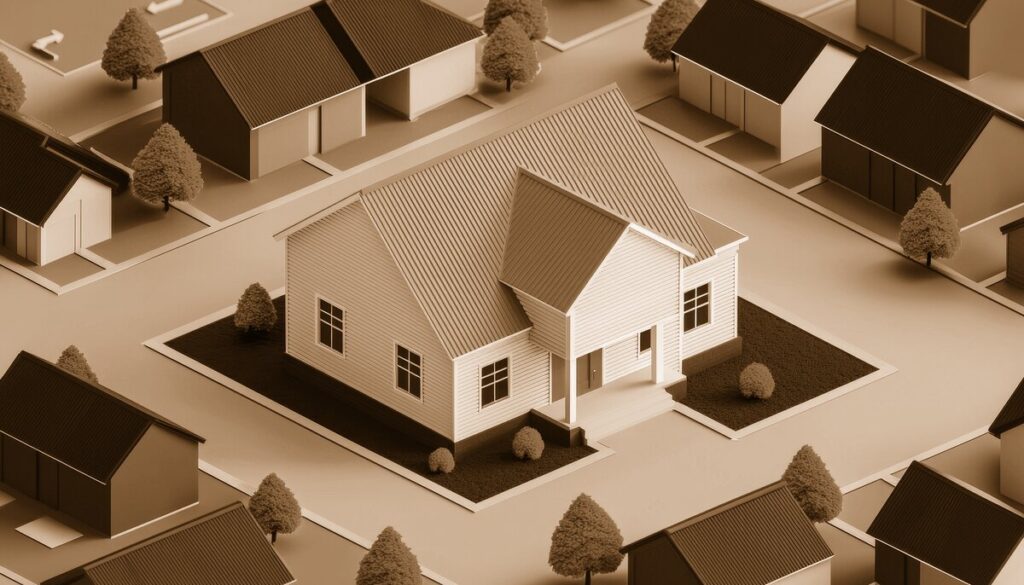
Nestled in the eastern reaches of Syracuse, the Bradford Hills neighborhood may not draw the same headlines as some of its flashier counterparts — but for those who’ve walked its winding streets and basked in the camaraderie of its residents, it’s a place filled with heritage, warmth, and small-town charm amidst city life. Steeped in layers of history from its founding days to recent decades, Bradford Hills has quietly evolved, preserving its unique character while embracing change.
Origins and Name: A Nod to Nature and Legacy
The story of Bradford Hills traces back to the mid-20th century, when Syracuse was experiencing steady suburban growth. In the years following World War II, city planners and local developers looked toward the gently rolling hills east of Jamesville Road for new residential opportunities. This area—once part of expansive farmsteads and wooded tracts—became ripe for community development amid America’s postwar optimism.
The name "Bradford Hills" reflects both the area’s picturesque geography and the legacy of the Bradford family, who, according to local lore, were early stewards of the land here. Their name was bestowed on the neighborhood in honor of their enduring connection to the region and their involvement in agricultural and community affairs.
Key Historical Milestones
The Early Years: 1950s-1960s
Bradford Hills’ official development began in the 1950s, spurred by the city’s expansion and the growing appeal of suburban life. Streets like Bradford Parkway and Rockland Avenue were among the first arteries to be laid down, and families flocked to the new single-family homes that rose along the neighborhood’s quiet cul-de-sacs. The architectural style of the era—a blend of Cape Cods, ranches, and split-levels—still shapes the visual atmosphere today.
In these early years, the neighborhood became renowned for its friendly block parties, close-knit spirit, and safe, leafy streets. The wide lawns and mature trees that dot Bradford Hills today are a living testament to the original vision of developers and residents alike.
1970s-1980s: Growth and Community Building
Through the 1970s and 1980s, Bradford Hills continued to mature. With the construction of nearby Corcoran High School and the development of Faith Heritage School on Midland Avenue, the neighborhood became a desirable enclave for families prioritizing education and community values. Residents could often be found gathering at the small but cherished local park, affectionately known as Bradford Hills Park, tucked between Hillock Drive and Woodchuck Hill Road. The park’s playground and open field became the site of countless summer games and picnics, reinforcing neighborhood bonds.
Recent Decades: Preserving Heritage, Embracing Change
As the 21st century approached, Bradford Hills’ landscape began evolving—from its demographics to its homes. While longtime families remained, a new generation moved in, seeking the elusive blend of history, tranquility, and prime Syracuse location. Insightful stewardship by neighborhood associations has helped maintain green spaces and set standards for home preservation, ensuring the area’s story continues to be told through its architecture, gardens, and communal traditions.
Notable Landmarks and Buildings
While Bradford Hills is primarily residential, its charm is found in subtle landmarks and community touchstones:
- Bradford Parkway: Arguably the neighborhood’s main thoroughfare, this road is lined with mature maples and a variety of mid-century homes that showcase the neighborhood’s architectural evolution.
- Faith Heritage School: Set at the cusp of the neighborhood, this private K-12 institution has played a role not only in education but also as a gathering place for local sports and cultural events.
- Bradford Hills Park: Small but beloved, the park is the heart of the neighborhood for many families, with its intimate playground, picnic benches, and views of the sloping landscape that define Bradford Hills.
- Jamesville Road Corridor: Just beyond the neighborhood’s eastern edge, this busy arterial connects Bradford Hills to both the city center and rural Onondaga County, bridging old and new Syracuse.
Some homes within Bradford Hills are still owned by the original families, their stoops and gardens lovingly tended, bearing silent witness to decades of neighborhood history.
Streets and Institutions: Weaving the Neighborhood’s Fabric
Bradford Hills is defined not just by its homes but by the network of streets and institutions that foster togetherness:
- Hillock Drive and Rockland Avenue: Winding through the community, these streets are perfect for an evening stroll lined with storybook houses and friendly waves from neighbors.
- Nearby Jamesville-Dewitt school district: Though not technically inside Bradford Hills, proximity to this highly regarded public school system adds to the neighborhood’s family-friendly appeal.
- Inclusive neighborhood events: From Halloween parades to spring yard sales, these traditions have endured over generations, continually knitting neighbors together.
Evolution Through the Decades
Time has brought many changes to Bradford Hills, but its essential character endures. The neighborhood has seen new landscaping trends, additions and updates to homes, and the gradual diversity of its residents. What remains unchanged is the deep-rooted sense of pride: the carefully maintained yards, the seasonal displays of American flags and festive lights, and the willingness of neighbors to lend a hand.
Today, Bradford Hills stands as a testament to what makes a neighborhood thrive—history honored, green spaces protected, and a spirit of community as vibrant as ever. Whether you’re a visitor driving its tree-lined roads or a longtime resident sharing stories at the park, Bradford Hills offers a living mosaic of Syracuse’s past and present.
Why Bradford Hills Feels Like Home
Ask almost any Bradford Hills resident what sets the neighborhood apart, and they’ll mention more than the convenience or the attractive homes. It’s the friendliness—a wave on a dog walk, a neighbor’s offer of fresh-baked cookies, the laughter echoing from backyard barbecues. It’s the feeling that you’re part of a story still unfolding, a place where the past is never far from the present, and where every block has its own legacy.
For all who’ve ever called it home, and for those still to come, Bradford Hills is a reminder that rich history, enduring heritage, and genuine community spirit live on in Syracuse’s eastern hills.